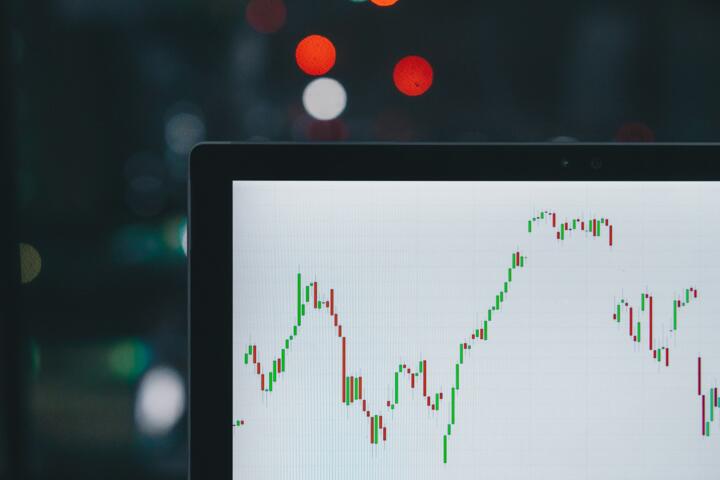
Basics of Trade Risk
Every trade involves risk. That means losing money is always a possibility, even with sound analysis. Risk management starts by quantifying how much capital you can afford to lose on a single trade—often capped at 1-2% of total equity.
For example, a trader with a $50,000 account might risk $500 per trade. That clear boundary reduces emotional decisions, especially during volatile sessions like the release of the CPI report, when markets can swing beyond typical ranges.
The 2023 CBOE Volatility Index averaged 18%, a reminder that volatility feeds risk. Knowing these numbers anchors your trading size and stops speculation from turning into ruin.
Risk isn’t guesswork. Precision beats panic.
Common Risk Faults
Ignoring stop-loss levels remains a top error. Traders often shift stops further away hoping for a reversal and that just inflates losses. Risk turns unpredictable, cascading quickly.
Another pitfall: overleveraging. Forex brokers sometimes offer 100:1 leverage or more, with minimal margin requirements. Yet traders often overlook how a 1% move against them equals a full margin wipeout.
Also, trading without considering market correlation—such as buying two tech ETFs simultaneously—doubles sector exposure unintentionally. This blindsides risk calculations, blowing up portfolios faster than expected.
Egos interfere. Traders convinced each entry is a sure thing tend to risk more, piling onto bad setups and ignoring the basic guardrails that trading success demands.
Tactics for Control
Define Risk per Trade
Decide upfront what dollar amount or percentage you risk per trade. This stops emotional bias. Most pros risk between 0.5% and 2% per trade. It works because small losses won’t destroy you if the trade fails.
Tools like Thinkorswim (version 2423) let you set alerts once risk breaches limits, automating discipline. In practice, this means your trading plan includes risk setup before entry—not afterward.
Use Stop-Loss Orders
Stops keep losses finite. They trigger exits at preset levels. Hard stops avoid the ""hope"" trap where losses expand. For example, placing a stop 2% below your entry prevents a bad trade from running into a 10% loss.
Using trailing stops also protects profits as trades move favorably. Platforms like Interactive Brokers support such stops seamlessly. You can ride trends while locking in gains.
Position Sizing by Volatility
Adjust trade size according to market volatility. For volatile securities, use smaller positions. The Average True Range (ATR) indicator is a great gauge.
If ATR shows a daily range of 3%, reduce position size so the potential loss stays within your risk tolerance. This nuance is what separates careful traders from reckless ones.
Hedging Strategies
Hedging reduces net exposure using options, futures, or inverse ETFs. It’s not for every trade but adds buffer in uncertain markets.
For instance, owning a tech stock and buying put options limits downside risk without closing the position. It costs premium but prevents catastrophic losses.
Risk-Reward Assessment
Aim for trades where potential reward outweighs risk, usually at least 2:1. If the risk is $100, expect a gain of $200 or more.
Ignoring this encourages trades with poor payoff profiles. Confirm risk-reward contributions before committing funds.
Diversify Trades
Spreading risk across uncorrelated assets minimizes the impact of one trade failure. Equity, fixed income, commodities, and currencies behave differently, smoothing overall portfolio swings.
Diversification doesn’t guarantee profits but vastly reduces bust cycles.
Keep a Trade Journal
Recording specifics—entry, exit, risk amount, emotions—builds insight over time. Journals expose patterns like over-risking after a win or ignoring stops amidst stress.
I use the Edgewonk platform since 2021, which also tracks risk parameters automatically.
Review and Adjust Risk Limits
Markets drift and volatility changes constantly. Check your risk settings quarterly, adjusting position sizes and stop distances accordingly. Ignoring this adjustment can leave you exposed during surprising shifts.
Control Leverage
Use leverage cautiously. Margin increases buying power but compounds losses. If you feel nervous about a position size, reduce leverage.
Most regulated brokers limit leverage, but many retail traders go beyond safe thresholds, inviting wipeouts.
Trade Risk in Practice
A mid-size hedge fund in 2022 faced large drawdowns on tech holdings. Their initial approach linked risk to market cap without volatility metrics. Result: losing 15% in one quarter after sharp sector selloff.
They switched to volatility-based sizing and strict 1.5% max per trade risk. Within six months, volatility normalized and losses shrank to under 3% per quarter.
A day trader, using leverage 10x, ignored stop-loss discipline leading to a 50% account loss in a single week during unexpected Brexit news. The lesson: strict stops and realistic leverage are lifesavers.
Risk Control Checklist
| Step | What | Why | Tools |
|---|---|---|---|
| 1 | Set risk per trade | Control losses | Broker risk tools |
| 2 | Use stop-losses | Prevent big losses | Trading platforms |
| 3 | Position size via volatility | Adapt to market moves | ATR indicator |
| 4 | Hedge risky trades | Limit downside | Options, ETFs |
| 5 | Assess risk/reward | Improve profitability | Trading plans |
| 6 | Diversify holdings | Reduce shock | Cross-asset ETFs |
| 7 | Maintain trade journaling | Learn from experience | Edgewonk, Excel |
Mistakes and Fixes
Ignoring stop-losses inflates losses beyond control. Fix: commit to a stop before entry, and never move it further out to chase a turnaround. Discipline trumps hope here.
Overleveraging kills accounts quickly. Reducing leverage—even when brokers allow high—saves time, nerves, and margin calls.
Failing to adjust position size to changing volatility leads to unexpected risks. Use dynamic sizing based on recent ATR or historical drawdowns.
Trading correlated instruments simultaneously without realizing it amplifies risk. Keep a correlation matrix or software tool handy to check portfolio dependencies.
FAQ
How much should I risk per trade?
Most traders risk between 0.5% to 2% of their capital per trade. This small fraction limits losses and lets you survive losing streaks without wiping out your account.
What is the role of stop-losses?
Stop-loss orders automatically close losing trades at predefined levels, preventing losses from growing beyond acceptable limits. They make losses predictable.
Can I manage risk without stops?
Technically yes, but it's risky. Without stops, losses can spiral unpredictably, especially during fast market moves or gaps.
How does position size affect risk?
Position size determines maximum dollar risk. Larger sizes increase your exposure and potential loss, smaller sizes reduce risk but also potential reward.
Do all trading styles need risk management?
Yes. Day traders, swing traders, and long-term investors must all limit losses according to their style and capital to stay sustainable.
Author's Insight
I have seen traders blow accounts simply by ignoring risk in favorable markets. Discipline in risk management forced me to reevaluate my strategy several times. Tools like ATR-based sizing and trade journals keep mistakes in check. Risk control shouldn't feel restrictive, it protects freedom to trade another day.
Summary
Risk management hinges on clear, consistent boundaries. Set risk per trade, use stop-loss orders, and size trades by volatility. Avoid overleveraging and diversification blind spots. Keep a trade journal to track mistakes and lessons. Managing risk is not an option but the path to lasting success in trading.