This guide is designed for anyone preparing to buy cryptocurrency for the first time, focusing on the decisions that matter most before you place your initial trade. It outlines common beginner mistakes - such as weak security practices, chasing hype, and ignoring fees - and provides practical, experience-based strategies to avoid them. You’ll learn how to choose between wallet types (custodial vs. self-custody), evaluate and select an exchange, set up basic security steps, and build a simple risk-management plan suited to new investors.
Browse
All articles
Every guide across the six topics, newest first.

Portfolio rebalancing is the process of bringing your investments back to their target mix after markets cause certain holdings to grow faster than others. When you don’t rebalance, “portfolio drift” can quietly change your risk level - leaving you more stock-heavy after a bull run or too conservative after a downturn - without you realizing it. This article explains how drift happens, why it can affect volatility and long-term results, and when rebalancing may make sense using thresholds, calendar schedules, or cash flows. It also covers practical tradeoffs like taxes, fees, and discipline so your portfolio stays aligned with your strategy.
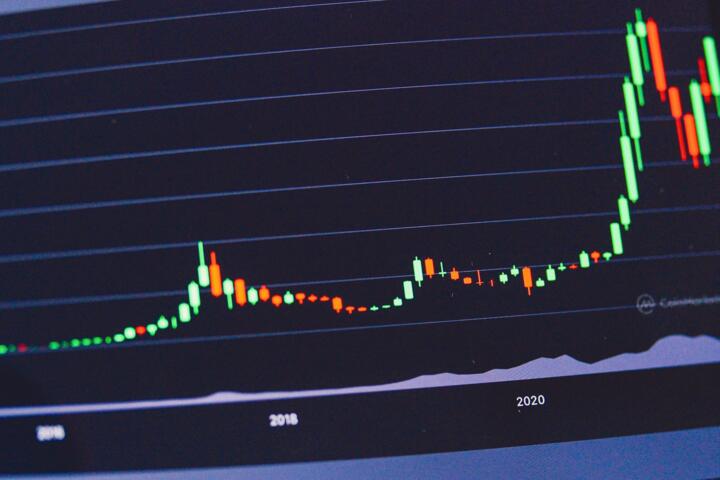
Stock charts reveal how market prices move over time and help traders predict future price directions. For beginners, decoding these charts often feels confusing due to the number of indicators and patterns involved. This guide breaks down what you see on charts, how mistakes can mislead you, and concrete ways to interpret price data with real tools and examples. You will learn to spot trends, use moving averages, and more.

Loan interest can add up in ways that aren’t obvious until you see the total repayment amount. This article explains how interest is calculated under different loan structures - simple vs. compound interest, amortized loans, and daily interest accrual - and how those methods change what you pay over time. It highlights common borrower pitfalls such as focusing only on the monthly payment, misunderstanding APR, and making late or minimum payments that extend costs. With clear examples and practical tools, the guide helps you estimate true loan expenses and choose strategies to reduce interest and pay debt down faster.

Investment
Growth vs Value Stocks: Difference Explained
Growth versus value is usually framed as a contest between two kinds of company. The honest version is that it is mostly a bet on the direction of long-term interest rates. This guide shows why growth behaves like a long-duration asset that soars when rates fall and buckles when they rise, while value holds up, and why 2022 was almost a controlled experiment. It also marks where the model breaks — 2023's AI mega-cap rally — so you can own both ends by design instead of guessing the pivot.

A crypto wallet doesn’t actually “hold” your coins - the blockchain does. What the wallet stores and manages are cryptographic keys that prove you have the authority to move those assets. This article explains how public and private keys work, what it really means to “own” crypto, and why losing a key can mean losing access permanently. It also compares common wallet types (software, hardware, custodial), highlights everyday security risks like phishing and seed phrase exposure, and gives practical examples so users can protect their funds while keeping control of their digital assets.

Geopolitics shapes financial markets through direct and indirect channels, influencing asset prices, volatility, and investor behavior. This article breaks down common misconceptions, highlights key mechanisms like sanctions, trade disputes, and military conflicts, and offers practical strategies to anticipate and respond to geopolitical developments. Real cases from recent years show how firms and funds adjusted trading and hedging tactics to mitigate risk or seize opportunities.

Trading
What a Bid-Ask Spread Tells You
The bid-ask spread represents the difference between the highest price buyers are willing to pay (bid) and the lowest price sellers accept (ask) in markets like stocks, forex, and cryptocurrencies. For traders and investors, this spread indicates liquidity, trading costs, and market sentiment. Understanding what a bid-ask spread reveals helps in making sharper trading decisions and avoiding hidden expenses.

Finding the ideal amount of cash to hold in your investment portfolio is a key step in balancing stability with long-term growth. This article breaks down the different roles cash can play - such as emergency reserves, opportunity funds, and volatility buffers - while highlighting frequent missteps investors make when holding too much or too little. It also shares practical, goal-based strategies for improving liquidity without sacrificing potential returns, helping investors at any experience level build a portfolio that fits their timeline, risk tolerance, and changing market environment.

Investment
How Index Funds Work Without Jargon
Index funds make it possible to invest in a broad slice of the market through a single fund that aims to mirror a benchmark like the S&P 500 or a total market index. This article explains, in plain language, how index funds are built and managed, why their low fees and diversification appeal to many investors, and where the common misunderstandings lie (tracking error, overlapping holdings, taxes, and risk levels). It also outlines how index funds can be used in real portfolios - whether you’re starting out or refining a long-term, passive strategy.
Educational content only. Nothing on this site is personal financial, investment, tax or legal advice.